
Oral Surgery

Bone Grafting

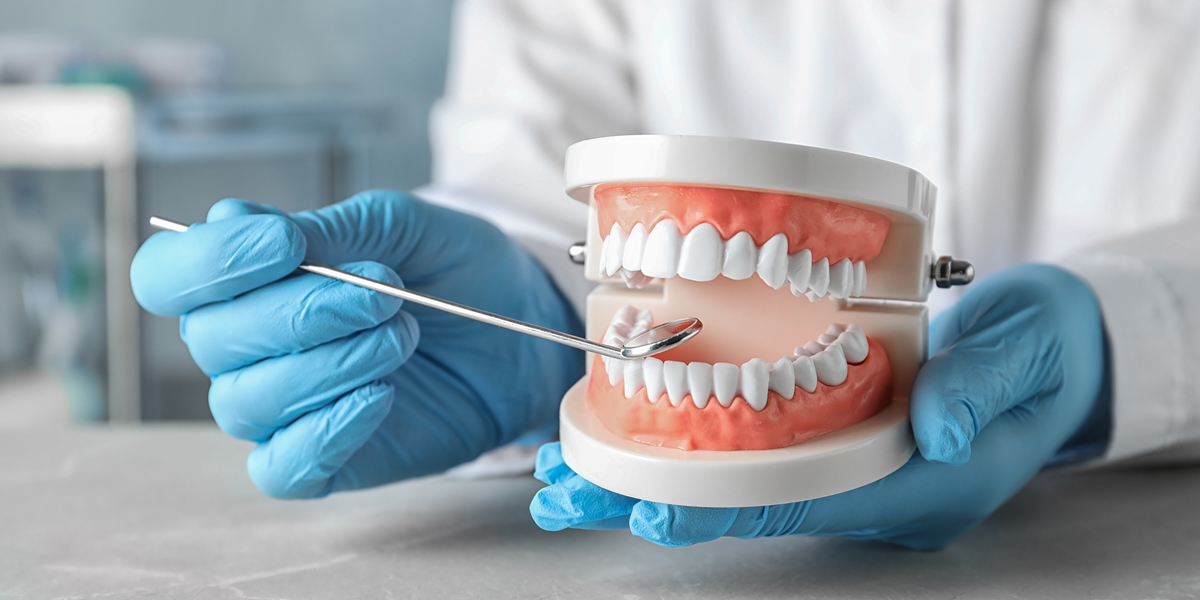
Bone grafting rebuilds jaw bone lost to periodontal disease or tooth loss, creating a strong foundation for dental implants and restoring your jaw's natural contour.
What Is Bone Grafting?

Like every part of your body, bone is continually regenerating itself, creating new cells as others die away. The movement and adaptability of bone can impact your jaw both positively and negatively. Bone adaptability is helpful when orthodontists use braces to move teeth, but it can have negative effects if an adult loses a tooth.

When an adult loses a tooth or has periodontal disease, the jaw bone shrinks around it. If the jaw bone shrinks, bone grafting needs to be added to the jaw before proceeding with tooth replacement. Bone grafting builds the jaw bone back up, which gives the replacement tooth a natural appearance.

Bone grafting is a minor surgical procedure done at a dentist office. The dentist or periodontist will make a small incision to reveal your jaw bone, then the grafting material will be added. The bone grafting material will help your jaw produce new bone cells.


Signs You May Need Bone Grafting

If you have been diagnosed with periodontal disease or have missing teeth, you may notice your jaw bone shrinking where a healthy tooth once was. If you are missing a tooth, a shrinking jaw bone may look like an indent in your jaw where the tooth was, rather than straight across. If you have periodontal disease you may notice your gums receding, your teeth looking longer, and the roots of your teeth becoming exposed.

Why is bone grafting needed?
Shrinking bone is caused by the adaptability of bone. It could specifically be caused by periodontal disease or losing a tooth. Bone grafting is needed not only for cosmetic purposes, but also to keep a healthy tooth in place, whether real or an implant. Having healthy teeth held in place by a strong, healthy jaw is important for everyday tasks like eating and speaking.


Keeping Your Jaw Healthy

To prevent needing a bone graft, take good care of your smile by brushing twice a day and flossing once a day. Fight periodontal disease with regular cleanings or scaling and root planing if necessary. Having healthy teeth and gums play a pivotal role in having a healthy jaw.

All of these practices are extremely important, but some bone grafting is unavoidable if a tooth is lost due to injury or decay. If the goal is to replace a missing tooth, bone grafting may be necessary to best fit a dental implant. A dental implant will not fit correctly in the jaw if there is a lack of bone, which means grafting is the best option.


Who Performs the Bone Grafting Procedure?

Typically, a bone grafting surgery can be done in a dental office, but in some cases, your dentist may refer you to a periodontist or oral surgeon. At Eastern Dental of Vineland, we'll evaluate your needs and guide you through every step of the process.

How it works
01

Evaluation and Planning

We examine your jaw bone and discuss whether bone grafting is needed for your dental implant or to address bone loss from periodontal disease.

02

Grafting Procedure

A small incision is made to access your jaw bone, and grafting material is carefully placed to encourage new bone growth.

03

Healing Period

Over the next several months, the grafting material integrates with your natural bone as your body produces new bone cells.

04

Follow-Up and Next Steps

Once healing is complete, we proceed with your dental implant or other restorative treatment, now supported by a strong, healthy jaw.

Common questions
Why would I need bone grafting?+

Bone grafting is needed when your jaw bone has shrunk due to tooth loss or periodontal disease. It rebuilds the bone to support dental implants or maintain your jaw's healthy structure for everyday tasks like eating and speaking.

What are the signs that I might need a bone graft?+

You may notice an indent in your jaw where a tooth is missing, receding gums, teeth that look longer than before, or exposed tooth roots. If you have periodontal disease or missing teeth, bone loss is common.

How can I prevent needing a bone graft?+

Brush twice a day, floss daily, and keep up with regular dental cleanings to prevent periodontal disease. However, some bone grafting is unavoidable if a tooth is lost due to injury or decay and you want to replace it with an implant.
Related services

Dental Implants

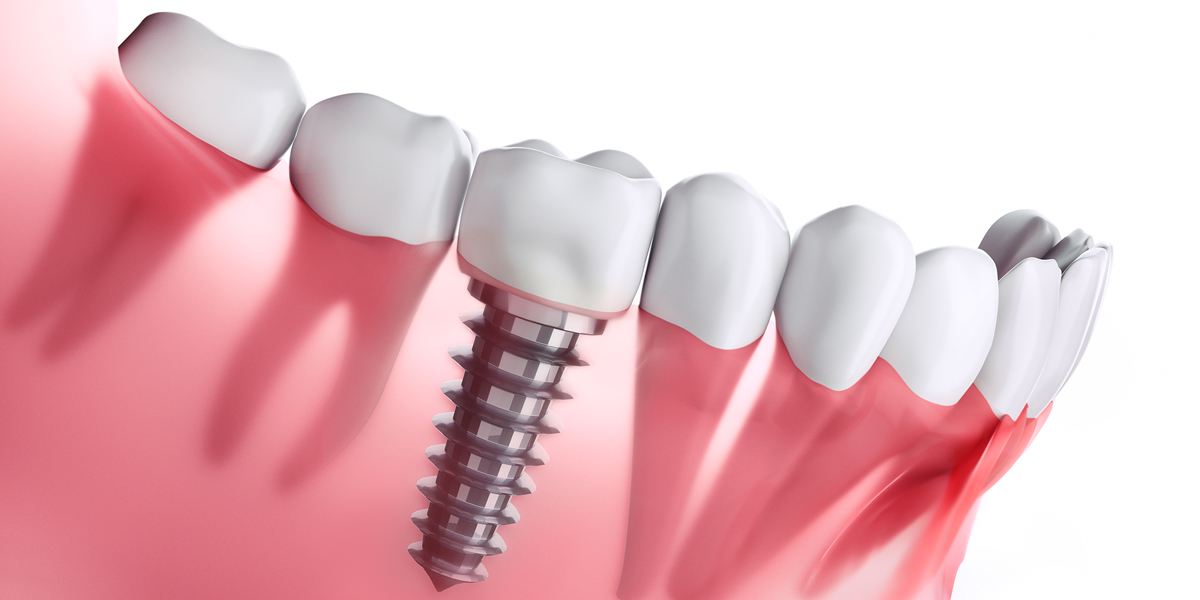
Permanent replacement for missing teeth using titanium posts that fuse with your jawbone, providing a strong foundation for natural-looking crowns, bridges, or dentures.

Get in touchVineland, NJ

Ready when you are — let's get you smiling.

New patients are always welcome. Give us a call, and we'll find a time that fits — gentle care, honest answers, no pressure.

  • No-pressure, unhurried first visit
  • We file your insurance for you
  • Same-day emergency appointments
  • Easy online booking, day or night
Call (732) 474-6824Contact us