
Restorative

Dental Implants

Permanent replacement for missing teeth using titanium posts that fuse with your jawbone, providing a strong foundation for natural-looking crowns, bridges, or dentures.
What Are Dental Implants?

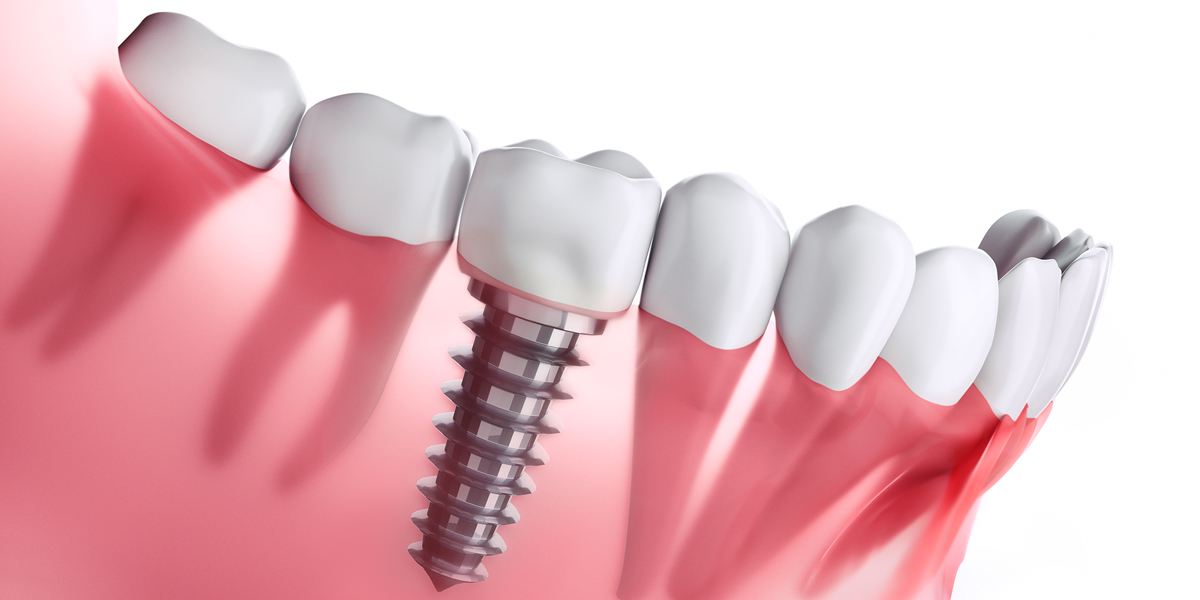
A dental implant is a permanent replacement for a missing tooth. Implants are surgical fixtures that provide a strong foundation for fixed or removable replacement teeth. The implant is placed into the jawbone and fuses with the bone over the span of a few months. This artificial tooth root is then ready to hold a replacement tooth or bridge. Advanced dental implant procedures create strong bonds for long-lasting effectiveness and a natural look.

Once the implant has integrated fully into the jawbone, the implant restoration will be placed. This is typically performed by your general dentist or a prosthodontist, a dental specialist focused on tooth replacement. This procedure can be used to help replace one tooth, multiple teeth, all teeth permanently, or create supportive removable dentures.


Common Types of Dental Implants

Dental implants are placed within the jawbone. They typically consist of small titanium screw-like posts. After healing is complete and the implant is ready to be restored, an abutment or connector is placed on top of the implant. This is then connected to the permanent restoration which is either a crown or removable prosthesis. These artificial teeth are designed to look and act like your teeth's natural enamel.


Who Is A Good Candidate For A Dental Implant?

The best candidate for a dental implant is someone who has the following:

  • One or more missing teeth or a damaged tooth
  • Good oral hygiene
  • Sufficient bone in the jaw to support an implant
  • Overall decent physical health

Dental implants allow you to eat, smile, talk, and enjoy all of your everyday activities confidently, without having to worry about your missing teeth. In addition, dental implants help to preserve tooth-supporting bone that naturally deteriorates when a tooth is lost, which is one of the major hidden consequences of tooth loss.

If you're missing or have damaged one or more teeth, you could be a good candidate for a dental implant. Talk to your dentist to see if implant surgery is the right option for you.


How To Care For Your Dental Implants

There are two main rules you must follow to care for your dental implants:

Brush and floss your teeth on a daily basis. Poor oral hygiene and a lack of regular cleanings can lead to a destructive bacterial infection called peri-implantitis.

If you face issues with clenching or grinding your teeth, ask your dentist for a night guard to protect your implants. Excessive grinding or clenching of teeth can cause damage not only to your implants but your surrounding teeth as well, sometimes resulting in the fracturing or loss of additional teeth.


Who Performs Dental Implants?

Dental implant surgery can be performed by any dental specialist who routinely performs surgery within the jawbone. Both oral surgeons and periodontists often specialize in dental implant placement.

How it works
01

Consultation and Planning

Your dentist will evaluate your oral health, bone structure, and discuss your goals to determine if implants are right for you.

02

Implant Placement

A small titanium post is surgically placed into your jawbone by an oral surgeon or periodontist.

03

Healing and Integration

Over a few months, the implant fuses with your jawbone in a process called osseointegration, creating a strong foundation.

04

Abutment and Restoration

Once healed, an abutment connector is placed on the implant, and your dentist attaches the final crown, bridge, or denture.

Common questions
Does getting a dental implant hurt?+

The procedure is performed under local anesthesia, so you should not feel pain during placement. Most patients report that recovery is easier than they expected, with manageable discomfort that can be controlled with over-the-counter pain relievers.

How long do dental implants last?+

With good oral hygiene and regular dental visits, dental implants can last a lifetime. The crown or restoration on top may need replacement after 10 to 15 years due to normal wear, but the implant itself is designed to be permanent.

Can I get implants if I have bone loss?+

Many patients with some bone loss can still receive implants. Your dentist or oral surgeon will evaluate your bone structure and may recommend bone grafting if needed to create a strong foundation for the implant.
Related services

Crowns and Bridges

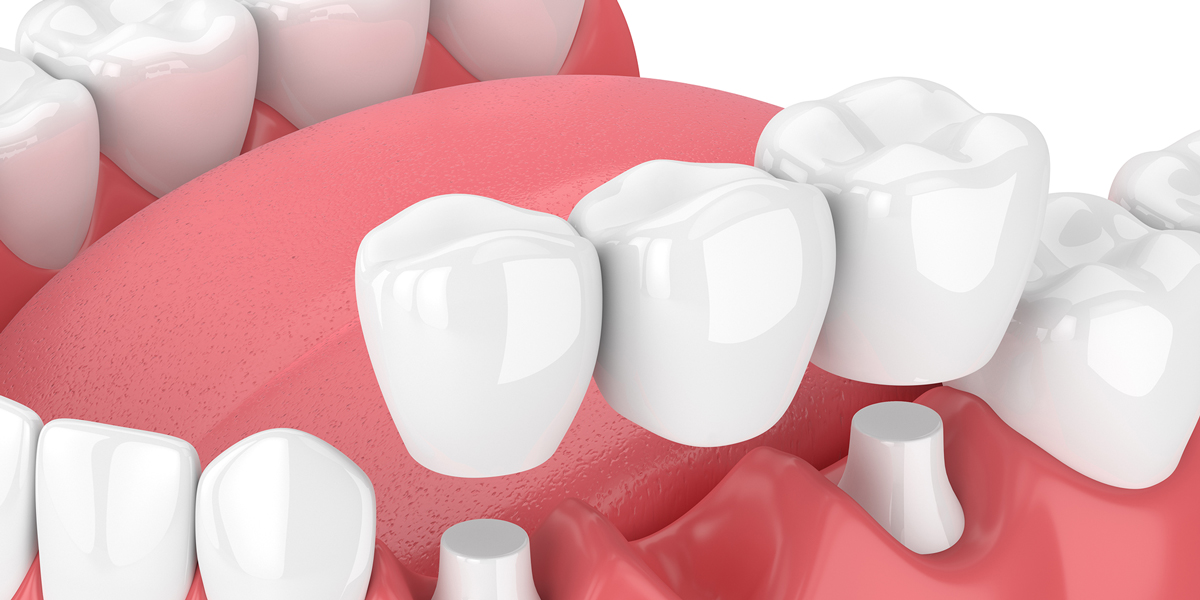
Permanent restorations that repair damaged teeth and replace missing teeth, restoring both the appearance and function of your smile so you can chew comfortably and confidently.
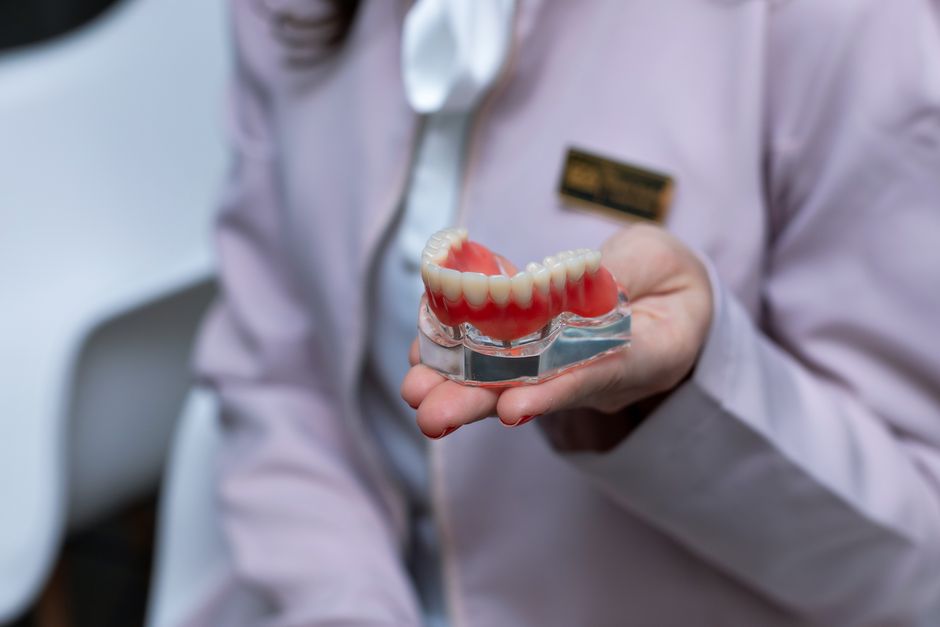
Dentist in lab coat holding a dental model indoors for patient education.

Dentures

Custom-made removable replacements for missing teeth that restore your smile, confidence, and ability to eat and speak comfortably.

Get in touchVineland, NJ

Ready when you are — let's get you smiling.

New patients are always welcome. Give us a call, and we'll find a time that fits — gentle care, honest answers, no pressure.

  • No-pressure, unhurried first visit
  • We file your insurance for you
  • Same-day emergency appointments
  • Easy online booking, day or night
Call (732) 474-6824Contact us