
Restorative

Fillings

Dental fillings restore teeth damaged by cavities, cracks, or wear. We offer both metal and tooth-colored options to repair your tooth's function and appearance.
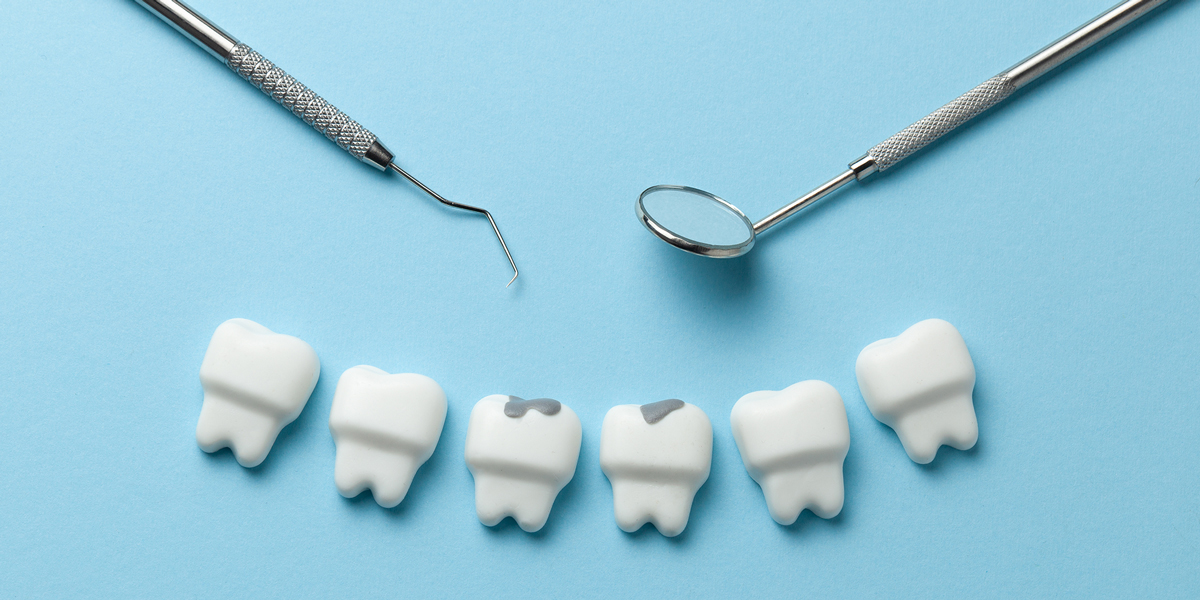
What Are Dental Fillings?

Fillings are used to treat a cavity or tooth decay, repair cracked or broken teeth, and restore teeth that have been worn down from misuse, such as from tooth grinding. During the procedure, your dentist will remove the decayed portion of your tooth and then clean the affected area. Then we fill in the cleaned-out area to help prevent infection and restore your tooth's beauty and function.


Common Types of Fillings

Several kinds of dental filling materials are available, but the two main types are metal fillings and tooth-colored fillings. Each type may provide certain advantages and disadvantages in different situations.

Metal Fillings

  • Amalgam: A classic silver filling made of mercury, silver, tin, and copper. The combination of these metals creates a strong, stable, and safe filling.
  • Cast Gold: A gold filling that combines with other metals to provide a long-lasting, strong filling.

Tooth-Colored Fillings

  • Composite: For those who want an invisible filling. Consists of a mixture of plastic and glass that bonds to the tooth itself.
  • Porcelain: Strong, high-tech dental ceramics that are more lifelike than other fillings and don't stain as composites can.
  • Glass Ionomer: Made from an acrylic and glass powder mix that acts as a translucent filling. It releases small amounts of fluoride to help prevent tooth decay.

Each type of filling has different advantages and disadvantages in terms of aesthetics, durability, and strength. Only your dentist can determine if you need a filling and which type is best for your situation. The type of treatment we choose will depend on the extent of damage.


How Should I Care for My Fillings?

To maintain your fillings and help them last:

  • Practice good oral hygiene. Brush twice a day with a fluoride toothpaste and floss at least once a day.
  • See your dentist regularly. Visit us at least twice a year for professional teeth cleanings and checkups.

Call our office if your tooth is extremely sensitive, if you feel a sharp edge, you notice a crack in the filling, or if a piece of the filling is missing. If we suspect that a filling might be cracked or loose, we will take X-rays to assess the situation.


How Do I Get a Filling?

Fillings are commonly performed procedures that can help prevent more serious problems. If you think you might need a filling or have a cavity, make an appointment with us at Eastern Dental of Vineland. We're here to help restore your smile comfortably and effectively.

How it works
01

Examination and Diagnosis

Your dentist examines your tooth and may take X-rays to assess the extent of decay or damage.

02

Numbing and Preparation

We numb the area around your tooth for your comfort, then carefully remove the decayed or damaged portion.

03

Cleaning and Filling

The affected area is thoroughly cleaned, then filled with your chosen filling material to restore the tooth.

04

Shaping and Polishing

We shape the filling to match your bite and polish it smooth so your tooth looks and feels natural.

Common questions
How long do dental fillings last?+

The lifespan of a filling depends on the material used and how well you care for it. Amalgam and gold fillings can last 10 to 15 years or longer, while composite fillings typically last 5 to 10 years. Good oral hygiene and regular dental visits help your fillings last as long as possible.

Are tooth-colored fillings as strong as metal fillings?+

Tooth-colored composite fillings are strong and work well for small to medium cavities, especially in visible areas. Metal fillings like amalgam and gold are extremely durable and often recommended for large cavities or back teeth that handle heavy chewing forces. Your dentist will recommend the best option for your specific situation.

Will getting a filling hurt?+

We use local anesthesia to numb the area, so you should not feel pain during the procedure. You may feel some pressure or vibration, but most patients find the process very comfortable. After the numbness wears off, you might have minor sensitivity for a few days, which is normal.

Get in touchVineland, NJ

Ready when you are — let's get you smiling.

New patients are always welcome. Give us a call, and we'll find a time that fits — gentle care, honest answers, no pressure.

  • No-pressure, unhurried first visit
  • We file your insurance for you
  • Same-day emergency appointments
  • Easy online booking, day or night
Call (732) 474-6824Contact us