
Orthodontic

Orthodontic Treatment

Straighten teeth and correct bite problems with braces or clear aligners. Improve your smile, confidence, and oral health at any age.
What Is Orthodontic Treatment?

Orthodontic treatments use the body's natural ability to regenerate its own tissue by using consistent, light force to slowly and gently move teeth into better positions and reshape bone. It is never too late to get braces. Orthodontics can help increase your self-confidence, which can in turn benefit your social and professional life.

Aligned teeth don't just help with looks—they will also help you bite, chew, and speak better. Properly aligned teeth are also easier to clean, which will result in a healthier mouth.

Many general dentists are doing basic alignment and orthodontics, but orthodontists specialize in correcting irregularities of the teeth.


What Do Orthodontics Treat?

Orthodontic treatment can resolve a number of misaligned teeth and bite problems, including:

  • Underbite
  • Crossbite
  • Overbite
  • Open bite
  • Crooked teeth
  • Crowding
  • Excessive spacing

Common Types of Orthodontic Devices

Braces are the most common method for achieving optimally aligned teeth. The braces may consist of bands, wires, and other corrective appliances.

In order to correct any bite problems, the teeth need to be moved. Here are a few ways we can gently move teeth:

  • Traditional braces are small metal brackets that are bonded to the front of the teeth with a thin wire running through them.
  • Clear braces are ceramic or plastic brackets held together by a slim archwire.
  • Lingual braces are similar to traditional braces, but they are bonded to the back of your teeth.
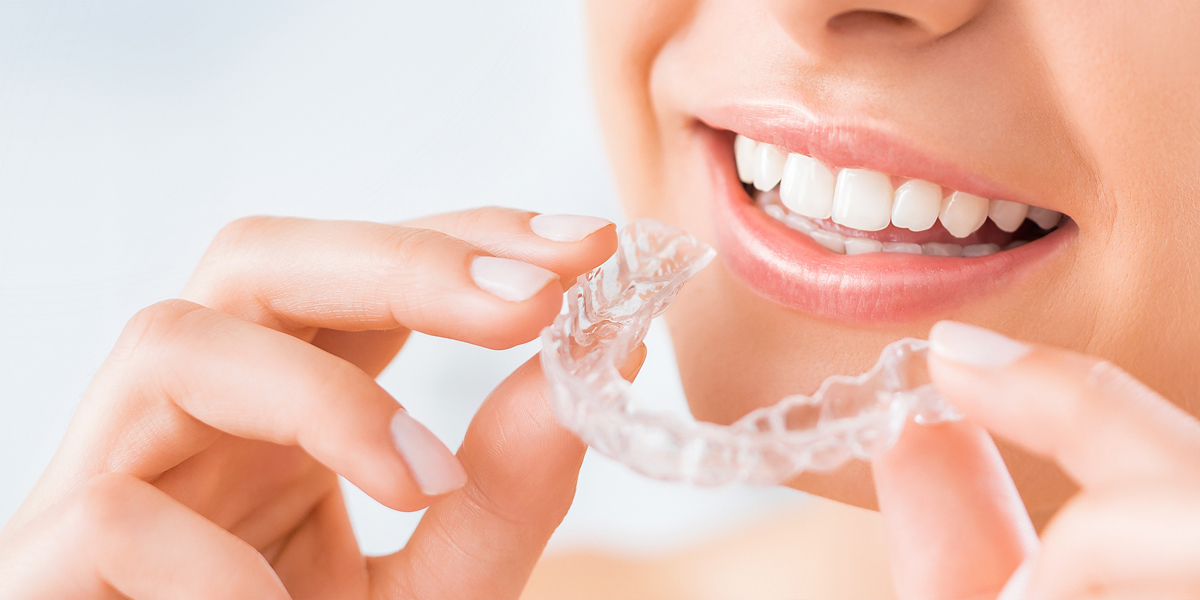
  • Removable clear aligners, like Invisalign, are clear plastic trays that fit over your teeth.

After your braces are removed, it is very important to wear a retainer as directed. Teeth naturally tend to drift back to their original locations, and wearing a retainer holds your teeth in their new position long enough for new bone and ligament to form around them. A retainer helps keep your gorgeous smile looking good for a lifetime.


Who Do I See For Orthodontic Treatment?

The first step is to go to the dentist, so they can professionally clean your teeth and treat other oral care conditions like periodontal problems or tooth extraction that need to be addressed before orthodontic treatment. Your orthodontist will evaluate your teeth and then make a treatment recommendation.

Treating a misaligned bite sooner rather than later is always the best option. Talk to a dentist or orthodontist about when it's best to begin treatment for you or your children.

The only way to determine the right orthodontic treatment for you is by making an appointment with your orthodontist. They can then review your teeth and give you their recommended treatment plan.

How it works
01

Initial Consultation

Your orthodontist evaluates your teeth, bite, and jaw alignment to create a personalized treatment plan tailored to your needs.

02

Pre-Treatment Preparation

Your dentist performs a professional cleaning and addresses any oral health issues like cavities or gum disease before beginning orthodontic work.

03

Braces or Aligner Placement

Your chosen orthodontic device—traditional braces, clear braces, lingual braces, or clear aligners—is carefully fitted to begin gently moving your teeth.

04

Regular Adjustments

You'll visit periodically for adjustments to ensure your teeth are moving as planned and your treatment stays on track.

05

Retainer Phase

After your braces are removed, you'll wear a retainer as directed to hold your teeth in their new positions and protect your beautiful results.

Common questions
Am I too old for braces?+

It is never too late to get braces. Orthodontic treatment can benefit patients of all ages, and many adults choose to straighten their teeth to improve their smile, confidence, and oral health.

What is the difference between a dentist and an orthodontist?+

While many general dentists offer basic alignment and orthodontics, orthodontists specialize in correcting irregularities of the teeth and bite. They have additional training focused specifically on moving teeth and aligning jaws.

Why do I need to wear a retainer after braces?+

Teeth naturally tend to drift back to their original locations after braces are removed. Wearing a retainer holds your teeth in their new position long enough for new bone and ligament to form around them, keeping your smile looking great for a lifetime.

Watch

Video

Get in touchVineland, NJ

Ready when you are — let's get you smiling.

New patients are always welcome. Give us a call, and we'll find a time that fits — gentle care, honest answers, no pressure.

  • No-pressure, unhurried first visit
  • We file your insurance for you
  • Same-day emergency appointments
  • Easy online booking, day or night
Call (732) 474-6824Contact us