
Oral Surgery

Tooth Extraction

When a tooth is too damaged to be repaired with a filling or crown, extraction may be necessary to relieve pain and prevent future problems.
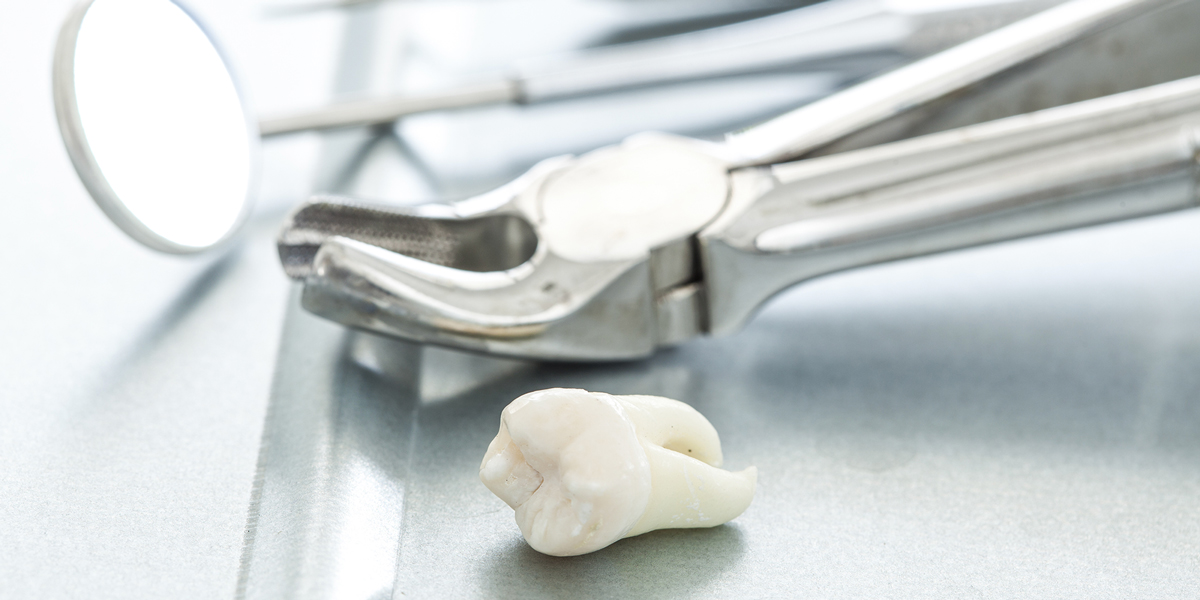
If one of your teeth has been broken or damaged by decay, we will always try to fix it with a filling, crown, or other dental procedure first. But when there's too much damage for the tooth to be repaired, it may need to be extracted.

Common Reasons for Tooth Extraction

An extraction may be needed to address any of the following concerns:

  • Oral trauma – injuries that have severely damaged a tooth
  • Cavities – extensive decay that cannot be restored
  • Chipped, cracked, or broken teeth – damage beyond repair
  • Misaligned teeth – teeth that interfere with proper bite or orthodontic treatment
  • Infection – when root canal therapy is not an option
  • Dental decay – advanced deterioration of tooth structure
  • Crowding – extra teeth or insufficient space in the jaw

For many of these issues, a dental implant may be recommended to replace the extracted tooth and restore full function.

What to Expect

Many extractions can be performed using local anesthesia to keep you comfortable throughout the procedure. In some circumstances, we may advise you to consider intravenous or general anesthesia as well, depending on the complexity of the extraction and your comfort level.

A tooth extraction may sound unpleasant, but it can be key for relieving pain and preventing problems in the future. Our team will walk you through every step and ensure you understand what to expect before, during, and after the procedure.


Who Performs a Tooth Extraction?

General dentists commonly perform extractions. However, sometimes an oral surgeon may be required to extract a tooth when the situation is more complicated due to extraction difficulty, nearby anatomy, or a patient's medical history.

The best way to determine if you need to have a tooth removed is by making an appointment with us. We can review your symptoms, make an accurate diagnosis, and give you our recommended treatment plan.

How it works
01

Examination and Diagnosis

We review your symptoms, take X-rays if needed, and determine whether extraction is the best option for your situation.

02

Treatment Planning

We explain the procedure, discuss anesthesia options, and answer all your questions so you feel prepared and comfortable.

03

Extraction Procedure

Using local anesthesia or sedation, we carefully remove the tooth. Most extractions are straightforward and completed quickly.

04

Recovery and Follow-Up

We provide detailed aftercare instructions and discuss replacement options like dental implants if appropriate.

Common questions
Will a tooth extraction hurt?+

We use local anesthesia to numb the area completely, so you should not feel pain during the procedure. You may feel pressure, but not sharp pain. After the anesthesia wears off, some discomfort is normal and can be managed with over-the-counter or prescribed pain medication.

How long does it take to recover from a tooth extraction?+

Most people feel back to normal within a few days to a week. Initial healing of the extraction site typically takes one to two weeks, though complete bone healing can take several months. We will give you specific aftercare instructions to promote smooth healing.

What are my options for replacing an extracted tooth?+

Depending on the location and your needs, options may include a dental implant, bridge, or partial denture. We will discuss replacement options with you and help you choose the best solution for your smile and budget.

Get in touchVineland, NJ

Ready when you are — let's get you smiling.

New patients are always welcome. Give us a call, and we'll find a time that fits — gentle care, honest answers, no pressure.

  • No-pressure, unhurried first visit
  • We file your insurance for you
  • Same-day emergency appointments
  • Easy online booking, day or night
Call (732) 474-6824Contact us